
Aarhus CEO and AU dean in joint call: Technology alone will not solve future security challenges

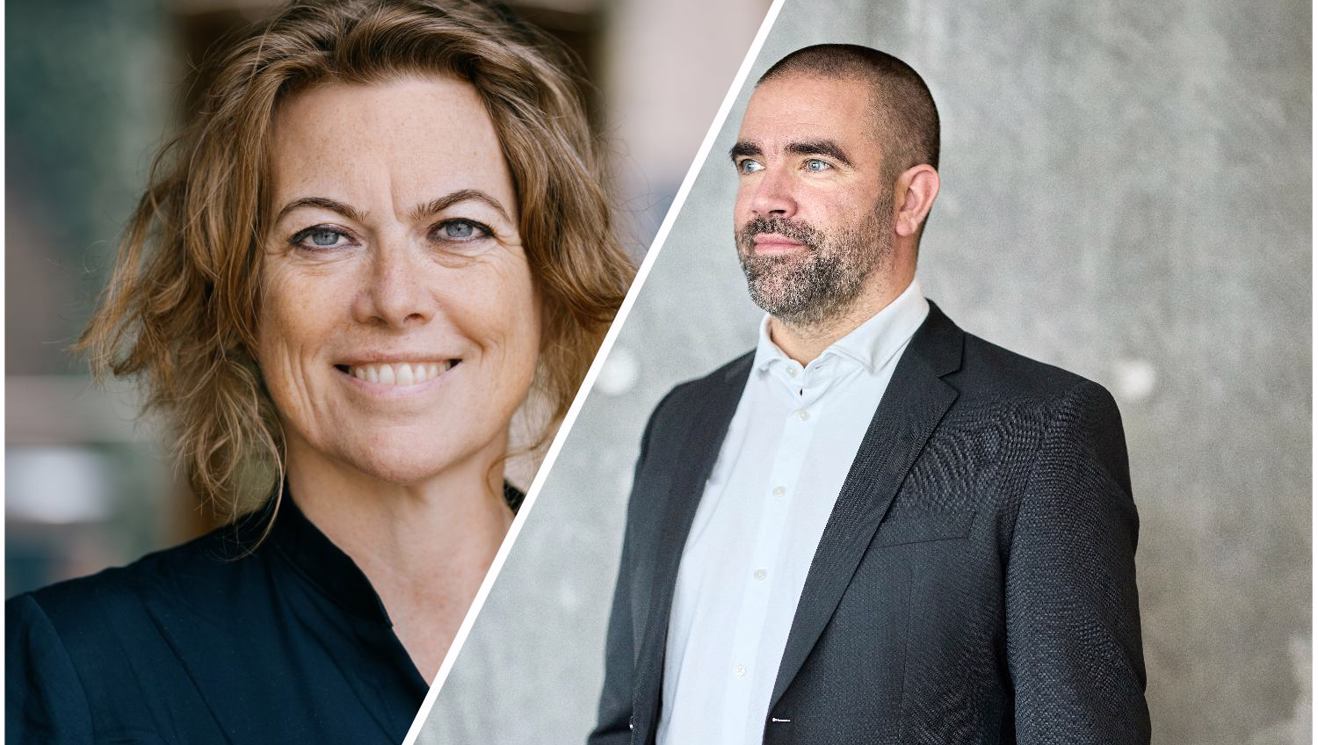
Investments in technology are necessary, but not enough. If Denmark is to deal with new forms of cyberattacks, misinformation and digital threats, it also requires knowledge about people, culture and organizations.
Nikolaj Bramsen, CEO of Systematic, and Maja Horst, Dean of the Faculty of Arts at Aarhus University, write this in a joint article in Børsen.
“Technology works best when it is based on the users’ concrete daily lives and combined with human judgment and cultural understanding,” they write.
According to the two authors, investments in critical technologies risk losing impact if they are developed without an understanding of the reality where they will be used – for example in healthcare, municipalities or emergency services.
Hybrid threats affect both systems and societies
The article points out that security threats are increasingly hybrid. They affect not only technological systems, but also trust, organizations and societal stability.
As an example, they highlight the cyberattack on satellite communications during the war in Ukraine, which affected both communications and parts of Europe’s energy infrastructure.
According to Nikolaj Bramsen and Maja Horst, such incidents show that the future of security is not only about stronger technology, but also about better understanding the language, culture and strategies of counterparts.
Hybrid threats exploit both technical weaknesses and human or organizational vulnerabilities.
Algorithms change responsibilities and decisions
At the same time, new technologies are changing the way decisions are made in organizations.
As algorithms and automated systems take over tasks that previously required human judgment, questions of responsibility and judgment also change.
This can be seen in the development of health IT, where solutions only work optimally when clinicians, technicians and users are involved early in the development process.
According to the authors, human experience, ethical considerations and understanding of social consequences are not a brake on technology, but a prerequisite for solutions to work in practice.
Warns against new silos in innovation policy
The two profiles also warn against technology development being isolated from other disciplines.
According to them, Denmark is strong because there are traditionally short distances between research, companies and public institutions. This strength should be expanded rather than creating new silos between technology and social sciences.
Therefore, they also call for funds from the research reserve to be invested not only in technology alone, but in interdisciplinary collaborations.