New growth strategy will give East Jutland greater international impact
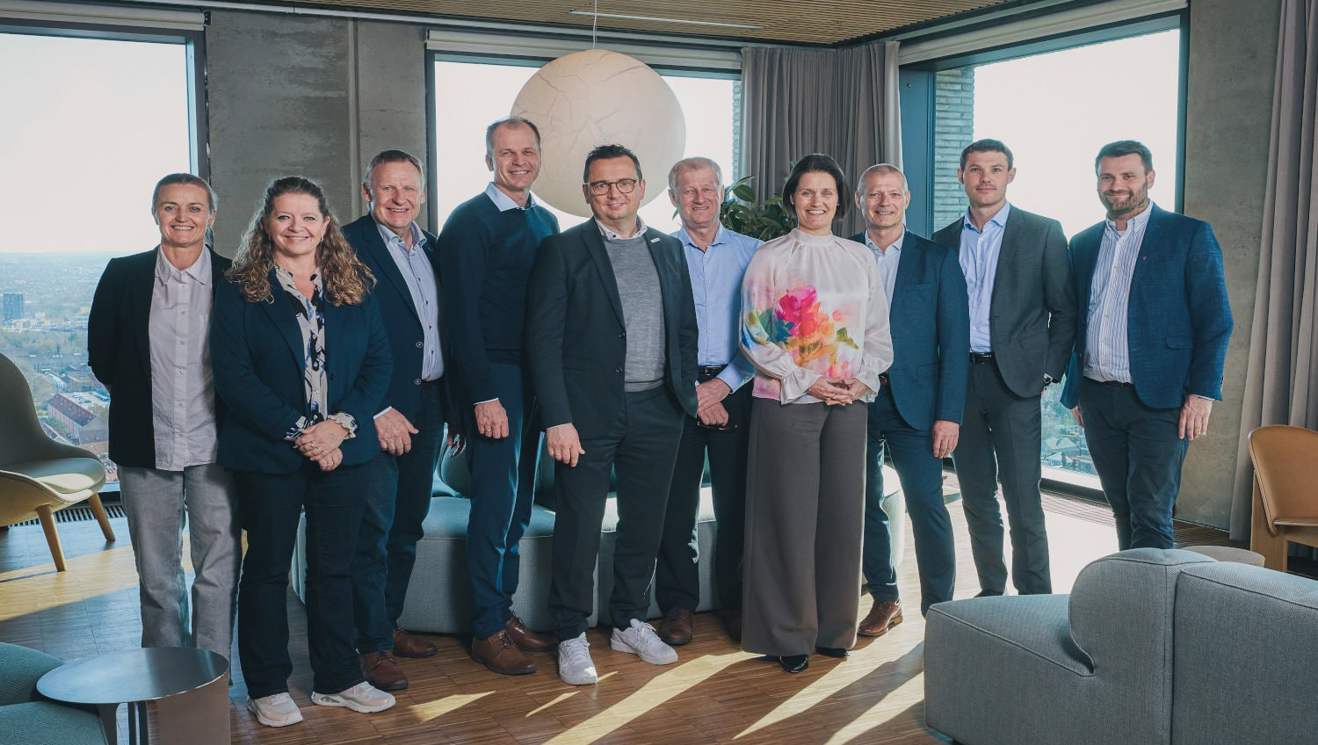
East Jutland must be stronger in the international competition for companies, investments and skilled labor. This is the ambition of a new joint growth strategy from the 12 municipalities in Business Region Aarhus.
The strategy “Together for Growth 2026-2030” unites municipalities around five focus areas: a more cohesive labor market, access to skilled labor, green and robust energy supply, greater international investment power and better international connections.
Business Region Aarhus announces this in a press release.
For startups and scaleups in Aarhus and the rest of East Jutland, the strategy hits several of the framework conditions that are crucial for growth. Access to talent, capital, energy and international markets are not challenges that stop at the municipal border.
“Business challenges don’t stop at the municipal border. Neither do the opportunities. That’s why we work together on the framework conditions that are crucial for future growth: labor, infrastructure, energy supply and international connections,” says Anders Winnerskjold, Mayor of Aarhus Municipality.
Challenging the dominance of the capital
Business Region Aarhus describes East Jutland as Denmark’s second largest growth center, but at the same time points out that a large part of the national investments are still concentrated around the capital.
The new strategy will therefore improve the region’s ability to attract international companies and investment without framing growth as a competition between East Jutland and Copenhagen.
“It’s not about East Jutland versus Copenhagen. It’s about utilizing Denmark’s total potential. When East Jutland grows, it creates jobs, exports, investments and development that benefit the whole country,” says Frands Fischer, Chairman of Business Region Aarhus and Mayor of Skanderborg Municipality.
The collaboration includes Aarhus, Skanderborg, Hedensted, Randers, Norddjurs, Syddjurs, Viborg, Silkeborg, Favrskov, Horsens, Odder and Samsø. Together, the municipalities represent around one million citizens, 500,000 jobs and 70,000 companies.
Talent and capital become crucial
The strategy’s focus on workforce and internationalization is particularly relevant for the region’s technology companies. Many startups and scaleups are already competing internationally for specialists in areas such as software, AI, engineering, biotech and green technology.
At the same time, development depends on whether the region can create a sufficiently attractive environment for foreign investors, companies and employees. Transportation links, energy supply and the ability to move across the East Jutland labor market play a key role here.
“East Jutland is home to some of the country’s strongest business environments, educational institutions, manufacturing companies and innovation environments. The potential is enormous. If Denmark is to stand strong in the international competition for investment, talent and companies, we need to think in terms of more growth engines,” says Henrik Burkal, CEO of Rema 1000 Denmark.
For Aarhus’ startup ecosystem, the strategy is primarily interesting because it shifts the discussion from individual innovation environments to the larger structures around them. New companies can develop technology and create jobs, but their growth also depends on whether the region can collectively provide talent, infrastructure, capital and access to the world.